 Andrew Cheeseman
Your team is already using AI. The question is who taught them. Why short steps beat long courses
Every firm I talk to has the same quiet fact in the background: people are already using AI at work. Somebody in sales is drafting proposals with it. Somebody in finance is pasting things into it. Nobody was trained, nobody was told what not to paste, and nobody is measuring it.
That isn't a failure of enthusiasm. A June 2026 UK report on what works for AI upskilling makes the point bluntly: the main issue isn't lack of interest, it's capacity. People lack the time, the pressure on staff is high, it's unclear what training is worth doing, and some are afraid of looking foolish. So they learn by trial and error, peer tips, online videos and prompts built into the tools, which the report says creates uneven and risky practice.
What the evidence actually says
The report, by Dr Nisreen Ameen at Royal Holloway, produced under a British Academy fellowship in partnership with Skills England, draws on 23 workshops with around 150 organisations, ten case studies (including small firms in creative, construction and consultancy work) and a UK employer survey of 536 responses. It's an academic report with Skills England as partner, not an official government statement, and the survey doesn't state denominators for every figure. Its findings are principles rather than measured outcomes, but they are consistent and practical:
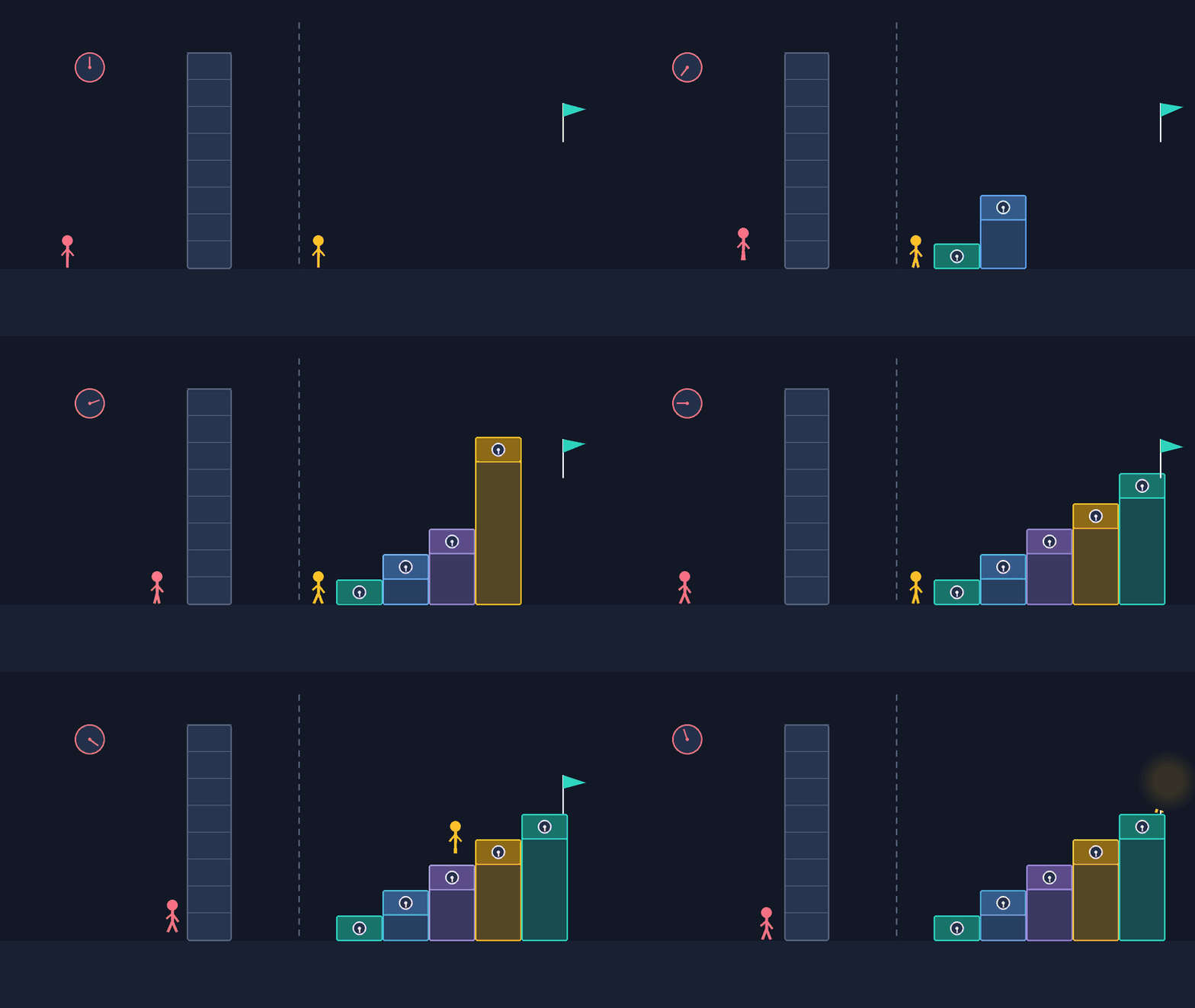
- Short beats long. For small firms, freelancers and frontline staff, very short modules of 30 to 90 minutes that can be stacked are more practical than longer courses.
- Training must be tied to real work. Practical, task-based learning that says when AI should and shouldn't be used. "Training not linked to real work" and "no protected time" top its list of pitfalls.
- Don't assume zero knowledge. Informal use is already happening; recognise it and build on it.
- Make a baseline mandatory where it matters. Before staff use AI tools with confidential data, regulated activity or professional judgement, they should have basic training in responsible use: confidentiality, data protection, human oversight.
- Check again. Revisit at three and six months, and measure confidence and quality of use, not attendance.
The surprising part: money isn't the main barrier
Be careful with the headline numbers here, because the surveys disagree. The same report says 97% of surveyed organisations provide some AI training. Secondary write-ups of government survey data put the share of UK employers that ran or funded AI training at around 11%. Those are different questions, different samples and different dates, and I haven't reconciled them. What I'd take from the gap is that "we provide AI training" can mean very different things.
What I'd take more seriously is a secondary report of an evaluation of the Flexible AI Upskilling Fund, which offered to cover half the cost of AI training for SMEs in professional business services: about £7.4m was allocated and, reported via Ipsos, only around £381,000 was actually awarded. If that's right, free money sat unclaimed. The barrier wasn't price. It was time and not knowing what to buy.
Free provision exists, too. The government's AI Skills Boost offers free short courses, and secondary sources report a target of 10 million workers trained by 2030, including at least 2 million in small businesses. I haven't checked current eligibility on the official page, so look before you rely on it.
Why this matters more for a small firm
In a company of 30, you don't have a learning and development department. You have one person who "is good with computers". The rest of the team's AI use rises or falls on whether that person has time. Meanwhile your competitors' staff are getting faster, and your own staff, left to learn from videos at home, are building habits you can't see.
There is a second cost. People who aren't given a safe, sanctioned way to learn will use the tools anyway, and the first you hear of it is a customer file pasted into a public chatbot. That's a data protection problem, and it's cheap to prevent.
A plan for a firm of 40
- Find out what's already happening. Ask, without blame, who uses what for which tasks. You'll find champions and risks in one conversation.
- Write a one-page rule set. What data never goes into an AI tool, which tools are approved, who to ask.
- Run 45-minute sessions on real tasks. One per fortnight, built on actual work: this week's quote, this month's report. Protect the time in the diary.
- Make the champions the teachers. Peer support is one of the report's recommendations, and it costs nothing.
- Check at three and six months. Ask whether people feel more confident and whether the work is better, not whether they turned up.
- Use the free stuff first, then decide whether paid training is worth it.
The cost of waiting
The risk isn't that nobody learns. People will learn regardless. The risk is that they learn unevenly, unsafely and without you, while the firms that make time for short, practical, stackable learning get compounding benefit. Skills are the one asset in an AI-shifting market that you can build in-house, cheaply, starting this week.
If you'd like help designing the first three sessions for an engineering or technical team, or the one-page rule set, that's part of my fractional work: cheesesharp.com